The Countertop Cookie Principle: Why an Unhidden Treat Shelf Beats a Secret Stash

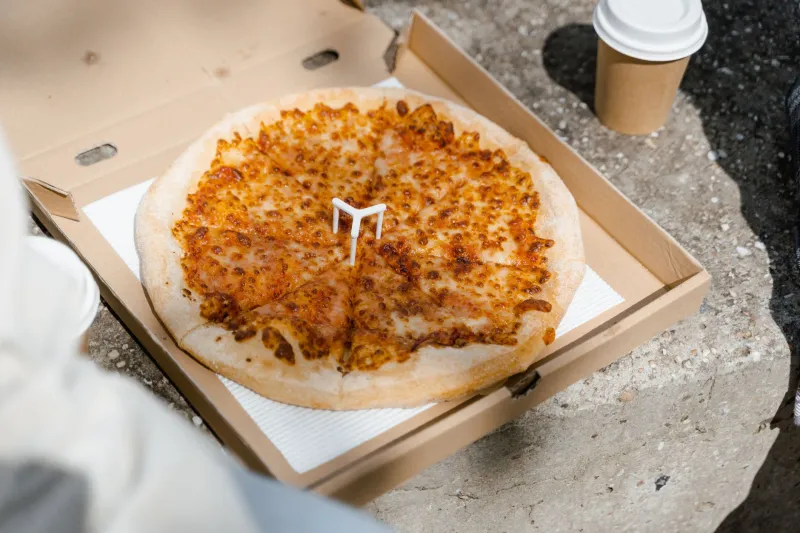
Photo by Photo by Puscas Adryan on Unsplash on Unsplash
Every holiday season, someone in the house gets the same bright idea: put the cookies in an opaque bin, move the candy to the top shelf, and tuck the fudge behind the lentils. It looks organized. It feels responsible. And for a lot of people, it backfires almost immediately.
The treats don’t disappear from your brain just because they disappeared from view. If anything, they get louder. You know exactly which cabinet they’re in. You start negotiating with yourself before breakfast. You eat a few standing over the sink, then feel weird about it, then promise to be “better” tomorrow. None of that is a character flaw. It’s what happens when food gets cast as contraband.
The Forbidden-Fruit Problem, Minus the Morality
Hiding food doesn’t automatically make it less appealing. For many people, it makes it more interesting. This isn’t about lacking willpower or being unable to handle a cookie. It’s about attention. When something is off-limits or secret, the brain tends to keep one hand on the door.
Holiday treats are already loaded with meaning. They show up at parties, in break rooms, in gift bags, and on counters. They’re tied to tradition and celebration, not just hunger. When you add a layer of “I shouldn’t” on top, the whole thing gets stickier. The cookie becomes a test. The candy dish becomes a moral obstacle course. And the hiding spot becomes a place to feel ashamed about visiting.
A visible treat shelf interrupts that cycle. Not because it makes you eat more, but because it takes the drama down a notch. A cookie in a tin on the counter is just a cookie. A cookie in a locked cabinet is a whole personality trait.
What a No-Drama Treat Shelf Looks Like
This isn’t about leaving every sweet in America on your kitchen island and calling it wellness. It’s about reducing friction and secrecy around the foods you actually want to enjoy during the holidays.
Start with a clear container, an open basket, or a simple tin that’s easy to open. Put it somewhere visible but not in the middle of your prep zone—a countertop corner, the end of the pantry shelf, or a side table near the kitchen. The point is access without a scavenger hunt.
Stock it with what you genuinely like. Cookies, chocolate, peppermint bark, nuts, crackers, maybe a few clementines if you want something fresh nearby. You don’t need to decant everything into matching jars. You don’t need a label maker. You don’t need to arrange the shortbread by color. A tin with cookies in it is enough.
Keep it reasonably stocked. A shelf that’s always empty doesn’t feel like permission; it feels like a test you failed. If you want the cookies to be a normal part of the week, let there be cookies. If you notice the tin has been empty for a while and you miss it, refill it. That’s it.
And yes, you can still put some treats out of reach for practical reasons—pets, toddlers, roommates who will absolutely eat the good chocolate. The goal is less secrecy, not a free-for-all.
The Permission Part Is the Hard Part
A visible shelf doesn’t instantly rewrite years of food rules. The first few days might feel weird. You may eat more cookies than usual, simply because they’re there and you’re testing the new normal. That’s not a failure. That’s what happens when you stop treating a food like a limited-time emergency.
Permission isn’t the same as permissiveness. You still get to notice what you want, how much you want, and when you’ve had enough. But you don’t have to earn the cookie with a workout, a salad, or a clean kitchen. You don’t have to sneak it. You don’t have to pretend you didn’t.
If the tin becomes a running commentary machine, that’s a household issue, not a food issue. Which brings us to the scripts.
Scripts for Household Commentary
“I’m keeping the cookies where we can see them so they’re not a big deal. Help yourself, or don’t.”
“You don’t have to eat it. You also don’t have to comment on what I’m eating.”
“We’re not doing good-food, bad-food labels in this kitchen. It’s a cookie, not a crime.”
“If the tin on the counter bothers you, I’m happy to move it. But I’d rather we leave it out and stop treating it like a secret.”
“There’s more in the tin. You can have some.”
“I’m not going to finish it just because it’s there. And I’m not going to hide it just because you’re uncomfortable seeing it.”
“Maybe I’ll eat it. Maybe I won’t. I’ll find out.”
Keep the tone casual. You’re not delivering a manifesto from the kitchen island. You’re just declining to turn a tin of cookies into a family referendum.
When Hiding Actually Makes Sense
This isn’t a universal rule. Some people genuinely feel calmer when certain foods aren’t staring at them. Some households have kids or pets or guests with different needs. Some people live with roommates who will absolutely polish off the good stuff before you get a bite. If hiding a treat reduces stress for you, that’s valid.
The question is whether the hiding is helping or just adding shame. If you forget the treats exist and feel peaceful, great. If you spend the week thinking about the secret bin, sneaking visits, and hiding wrappers, the bin isn’t solving anything. It’s just moving the drama to a darker shelf.
The Point Isn’t the Cookies
The countertop cookie tin is a small signal: holiday treats are part of life, not a moral test. You can enjoy them. You can forget about them. You can come back later. You can leave them for the neighbor. You can eat three and move on.
Visible treats won’t fix every complicated food feeling. But they can take the edge off the secrecy. And honestly, a cookie tin that’s allowed to just be a cookie tin is a pretty good holiday tradition.