Tomorrow’s Lunch Is Calling: Why You Should Ask for the Box
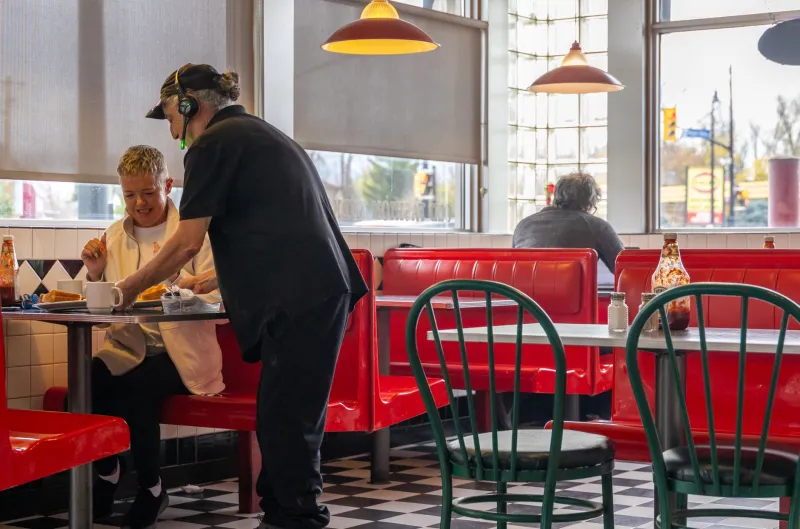
There’s a specific moment near the end of a restaurant meal in the US when the plate is still half full and the server asks if you want a box. For some of us, that question lands less like hospitality and more like a pop quiz. Do you keep eating to prove you enjoyed it? Do you wave it away to prove you have restraint? Do you ask for the container and then spend the drive home wondering if the server, your date, or the entire dining room judged you?
Spoiler: they didn’t. And the box is not a confession.
The Clean Plate Club Was Never a Law
Many of us grew up with some version of the clean plate club, where finishing what was in front of you was framed as good manners, good character, or at least a way to avoid a lecture. US restaurant portions did not get that memo. Entrees often arrive sized for two people, or for one person and tomorrow’s lunch. Asking for a container is not an admission that you failed to be good. It’s a practical response to abundance.
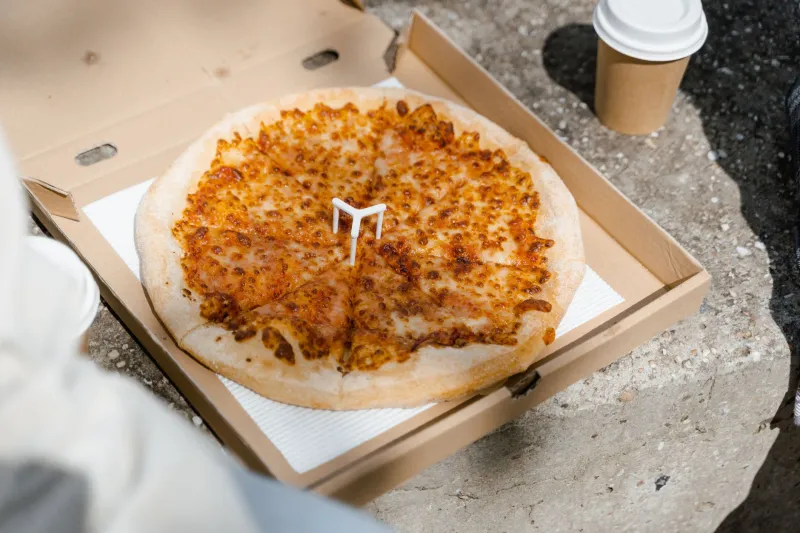
The doggy bag—or to-go box, if that phrase makes you feel less like you’re sneaking table scraps to a golden retriever—is simply a tool. It lets you decide when and how you want to enjoy the food you paid for. That’s not weakness. That’s project management with parmesan.
What You’re Really Taking Home
You are not taking home a symbol of lost control. You’re taking home pleasure. Maybe it’s half a plate of fettuccine you already know will be even better tomorrow, when you’re in sweatpants and no one is asking if you want more water. Maybe it’s the second half of a burrito that will save you from a sad desk lunch. Maybe it’s a slice of cake you were too full to finish but not too full to dream about.
There’s also the waste factor. US food waste is a real issue, and restaurant portions are part of the picture. Taking leftovers home is a small, tangible way to stretch your money and respect the food. You don’t need to frame it as a moral victory, though. You can frame it as lunch.
Scripts for the Slightly Awkward Moment
Asking for a box can feel weird if you grew up treating restaurant meals as performances. Here are a few low-stakes ways to do it, depending on your comfort level.
- The straightforward ask: 'Could I get a box for the rest of this? I’m already looking forward to lunch.'
- If the server looks concerned: 'It’s great—I’m just pacing myself.' You don’t owe a full review. A smile and a nod will do.
- At a nicer restaurant: 'Would you mind packing this up?' This is a normal request. You are not the first person to ask, and you will not be the last.
- If someone at the table comments: 'I’m extending the experience.' Or, if you’re feeling less generous: 'Yep.' You do not need to justify your container.
- If you’re worried about looking cheap: Remember that you already paid for the food. Taking it home is not asking for a discount. It’s asking for a lid.
If you want to be extra prepared, some restaurants are fine with you bringing your own container, but it never hurts to ask first. And if the answer is no—some places have policies or food safety concerns—you can let it go. The point is not to win a debate. The point is to make the ask feel ordinary.
The Shame Spiral Has Bad Data
The shame spiral usually runs on a few familiar thoughts: I should have known better. I shouldn’t need a box. Everyone else finished. I’m being wasteful. I’m being greedy. I’m being weird.
None of those thoughts are facts. They’re just the clean plate club doing improv. You don’t have to finish a meal to prove you enjoyed it. You don’t have to leave food behind to prove you’re disciplined. You can simply stop when you’re satisfied and take the rest with you. Satisfaction is not a volume contest.
Also, restaurant staff are not keeping a ledger of who asks for a box. They are doing their jobs, which includes handing out containers, wrapping up leftovers, and moving on. The judgment you’re imagining is usually louder inside your head than it is in the room.
Tomorrow’s Lunch, Not Tomorrow’s Penance
The best part of the box is what happens next. Tonight’s fettuccine can become tomorrow’s lunch with a splash of water, a little olive oil, and a shower of parmesan. Leftover roast chicken can go on a sandwich or into a quesadilla. Extra rice can become a crispy skillet situation with an egg on top. That half burrito? It knows what it’s doing.
Notice what’s not on this list: a penance salad. You don’t have to balance the leftovers with lettuce to earn them. If you want vegetables, add them because they taste good or because you like them, not because you’re trying to offset a restaurant meal. The food is not a debt. Lunch is not a courtroom.
A Small Shift in the Room
The more people ask for boxes without apologizing, the more normal it becomes. You don’t need to make a speech. You don’t need to explain your appetite, your budget, or your plans for tomorrow. A simple request is enough.
So ask for the container. Take home the fettuccine. Put it in the fridge without a lecture. Tomorrow, you’ll have a lunch you’re actually excited about—and one less thing to figure out in the middle of a busy day. That’s not a shame spiral. That’s a flex.