The Host’s Job Is Not to Finish Your Plate: A Dinner Party for Changing Appetites

Photo by Photo by Jakub Żerdzicki on Unsplash on Unsplash
The three-bite pause is not a verdict
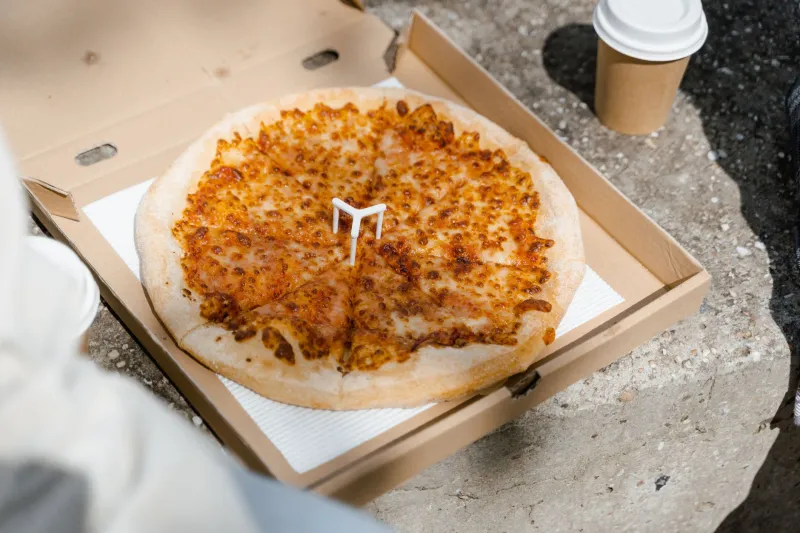
There is a particular silence that falls over a dinner party when a guest takes three bites, sets down their fork, and says, 'I’m good.' It is not a sad silence. It is not a crisis. It is just the sound of a host’s brain rewriting the evening into a performance review. Did I overcook the chicken? Did I offend someone? Is the mashed potato mountain now a monument to my need for approval?
Take a breath. Your guest is not a problem to solve. They are a person at your table with an appetite that belongs to them. Maybe they are on a GLP-1 medication. Maybe they had a big lunch. Maybe they are recovering from a stomach bug. Maybe they simply are not hungry. You do not get to know, and you do not need to. The host’s job is not to finish their plate. It is to make the table flexible enough that nobody has to explain themselves.
Hospitality is not a consumption contest
Somewhere along the way, we started treating a clean plate as proof of love. It is not. A guest who eats two bites and stops is not rejecting your cooking. They are listening to their body, which is allowed to have opinions that have nothing to do with your braise.
This matters more now that GLP-1 medications are part of everyday life for a lot of people. Those drugs can change how hunger and fullness feel, and that is between a person and their prescriber. It is not the dinner table’s business. What is your business is making a meal that does not demand a medical disclosure before dessert.
Put the food out in waves
The giant plate-up is a beautiful idea and a terrible host move when appetites vary. Instead of building every plate in the kitchen, set the table family-style or run a small buffet. Let people take what sounds good. A spoonful of rice, a slice of chicken, a pile of green beans, a piece of bread—none of those choices need a narrator.
Small plates are not a diet trick. They are a hospitality move. A smaller plate lets someone take a little now and come back later without making a production of it. And if they do not come back, the plate does not need a eulogy.
Keep pleasure on the table, not volume
You do not have to water down the menu for anyone. Rich food, good bread, salty snacks, and a proper dessert are all welcome. The trick is offering a few things that are easy to enjoy in small amounts: a cup of soup, a jammy egg, a spoonful of soft polenta, a few slices of ripe tomato with salt. These are not punishment foods. They are just flexible ones.
A table that welcomes small appetites must also welcome big ones. Do not create scarcity in the name of sensitivity. There should be enough for the friend who wants seconds and the friend who wants three bites. Abundance is not the enemy of flexibility. Rigid expectations are.
Make leftovers frictionless
If you want to be a genuinely great host, buy a pack of decent takeout containers and stop making leftovers weird. Offer them plainly: 'There is plenty left. Want me to pack some for tomorrow?' No sighing. No 'you barely ate.' No story about how much work it was.
Leftovers are a love language. They say: the food was here, you are welcome here, and the night does not have to end with a scrape of guilt into the trash.
Skip the commentary—especially about medication
Do not ask if someone is on a GLP-1. Do not ask why they are eating less. Do not say 'I wish I could eat like you.' Do not say 'just one more bite' like you are negotiating with a toddler. Do not announce that you made something 'healthy' as if the table needed a nutrition label.
Nobody needs a lecture with their risotto. If someone mentions their medication, follow their lead. If they do not, let it be. The most generous thing you can do is act like appetite is ordinary, personal, and not up for discussion.
A short script kit for the host
You do not need a speech. You need a few low-stakes lines that keep the table moving:
- 'Everything is here. Take what sounds good.'
- 'There is plenty, and there will be leftovers.'
- 'Dessert is optional, not a test.'
- 'Want me to pack some for tomorrow?'
- 'I’m glad you’re here. That’s the point.'
That last one is the whole job, honestly.
Dessert is not a finale exam
Serve it. Enjoy it. Offer coffee. If someone takes one bite of pie and pushes the plate away, let that be a complete sentence. If someone takes three slices, also fine. Dessert is not a measure of restraint or enthusiasm. It is just the sweet part of the evening.
The best dinner parties are not the ones where everyone cleans their plate. They are the ones where everyone feels like they can stop when they are done and still be glad they came. Set that table. The rest is just dishes.