Three Anchors, Zero Spreadsheets: Dinner Planning for the Deeply Unbothered
Somewhere around 5:45 p.m. on a weekday, a very specific kind of panic sets in. Not hunger exactly—more like decision fatigue with a side of dread. You open the fridge, look at ingredients that could theoretically become food, and close it again. Then you order something.
Meal planning is supposed to fix this. But most meal planning systems ask a lot: a full week of recipes, a consolidated shopping list, a firm commitment to eating asparagus on Thursday. And then Wednesday happens, someone works late, the asparagus wilts, and the whole apparatus collapses into a small pile of guilt and takeout containers.
Here's a lighter option. It's not a system. It's barely a plan. It's three anchors in your kitchen at all times, and infinite ways to combine them.
What the three anchors are
Every anchor is a category, not a recipe. When you shop, you're not buying "Monday's dinner." You're stocking three buckets.
- A satisfying protein. Something substantial you'll actually cook—or already cooked—without a big production.
- A produce option. One vegetable or fruit that can survive a few days of neglect and take five minutes of effort.
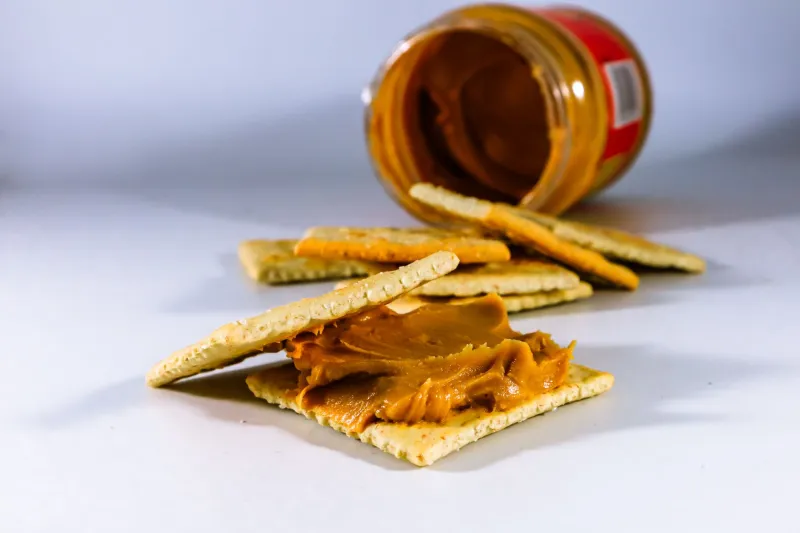
- An indulgent staple. The part of dinner you're genuinely excited about. Bread, cheese, a creamy sauce, good tortilla chips, a really solid ice cream in the freezer.
That's it. Three anchors. If all three are present, you can make dinner. Not a perfect dinner—a real one.
Why three is the magic number
Three is small enough to remember on a Tuesday and loose enough to survive an appetite change. A seven-day recipe plan assumes you know what you'll want on Friday. You don't. Nobody does. Your future self might want soup or might want a burger, and a rigid plan has no room for that.
Anchors, on the other hand, are modular. The protein doesn't care whether it lands in a bowl, a tortilla, or next to a pile of roasted potatoes. The produce option doesn't need to know what cuisine it's in. The indulgent staple isn't a loophole or a cheat—it's the reason you'll bother cooking at all.
Anchor one: protein you won't negotiate with
Pick from things that require minimal thinking. A rotisserie chicken from Costco or your local supermarket deli. A pound of ground turkey or beef. Eggs, which are the original dinner emergency fund. Frozen shrimp that thaws in cold water in 15 minutes. Canned chickpeas for the nights nobody wants to touch the stove. A block of tofu, a bag of frozen meatballs, a couple of pork chops if you're feeling fancy.
Rotate two or three across the week so you don't eat the same thing five nights running—not for nutrition reasons, just for sanity.
Anchor two: a produce option that survives
This is where most plans die. You buy beautiful kale. You have ambitions. The kale becomes a science experiment.
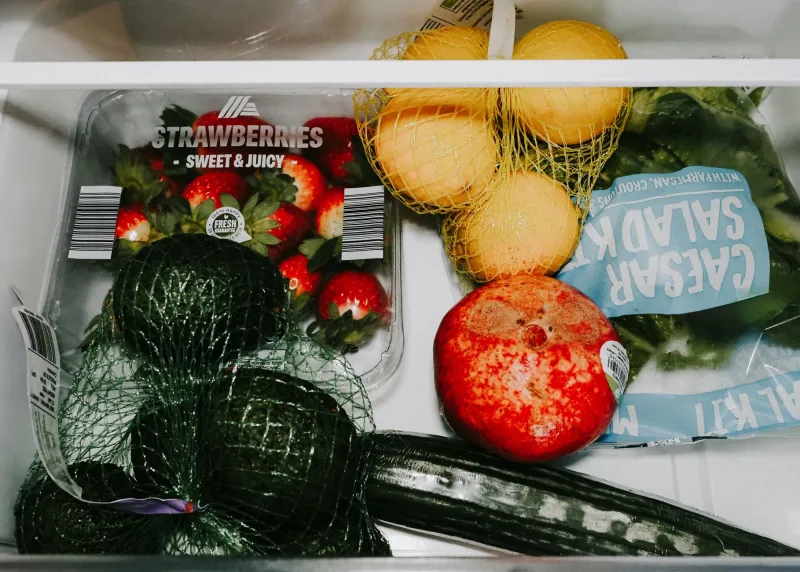
Buy produce with a longer runway: bagged salad kits (genuinely underrated), frozen broccoli and green beans that never go bad, sweet potatoes that sit patiently on the counter, carrots, cabbage, cherry tomatoes that get eaten like snacks, frozen berries for the mornings. If you're a person who will eat fresh produce in the first 48 hours, buy it for the first 48 hours. That counts.
The produce anchor isn't a mandate to eat a salad. A handful of frozen peas dumped in the pan is a produce option. So is a sliced apple next to the plate. The goal is one thing with fiber and color on it, not a moral achievement.
Anchor three: the indulgent staple is the point
The thing that makes dinner feel like dinner instead of a nutrient delivery mechanism. Crusty bread from the bakery section. A box of mac and cheese in the pantry for backup. Queso. Garlic butter in the fridge. The good shredded cheese. A pint in the freezer that has nothing to do with dinner and everything to do with the evening.
This anchor isn't a reward you earn. It's an ingredient, same as the chicken. It's what makes the meal worth sitting down for—and honestly, it's what keeps the whole framework alive. People don't abandon meal planning because they ran out of discipline. They abandon it because the plan stopped being pleasurable.
How dinner actually comes together
No recipe required. Take one from each bucket and pick a format:
- Sheet pan: protein + produce + olive oil + salt at 425°F until it looks right, with bread on the side.
- Bowl: protein + produce + a grain if you've got one + a sauce that leans indulgent.
- Taco-ish: whatever protein + whatever produce + tortillas + cheese, and nobody asks questions.
- The composed plate: rotisserie chicken, bagged salad kit, and a freezer roll heated to specification.
Ten minutes of active effort, most of the time. Nobody's writing this down anywhere.
A sample week that assumes you'll bail on Wednesday
- Sunday: grocery run for three anchors. Maybe a pot of something, maybe not.
- Monday: sheet pan chicken thighs and broccoli, bread on the side.
- Tuesday: tacos with ground turkey, cabbage, and cheese.
- Wednesday: leftovers, or eggs for dinner, or takeout. All valid.
- Thursday: frozen shrimp, bagged salad kit, garlic bread.
- Friday: homemade pizza night, or a restaurant, or a bowl of cereal and a walk.
- Saturday: chickpea-and-feta situation with whatever produce remains, plus ice cream.
Notice what's missing: nothing it can't survive losing. If Wednesday becomes takeout, Thursday's shrimp is still frozen and Friday's bread is still good. Nothing rots. Nothing is broken.
Takeout and leftovers are anchors too
A rotisserie chicken is takeout. So is a bag of dumplings from the freezer aisle. If you order in, get enough for tomorrow and count the leftovers as your protein anchor. The framework doesn't care where the food came from; it cares that you're not standing in front of an open fridge at 5:45 with a calculator in your head.
The only rule, loosely
Don't run out of all three at once. That's the whole thing. If you keep one protein, one produce option, and one thing you're excited about in the house, dinner will happen—imperfectly, differently each night, without a color-coded calendar or a single ounce of shame.
Restock when you notice a bucket is empty. That's the plan. Go live your life.