Cottage Cheese Doesn’t Need a Megaphone: A Protein Aisle Survival Guide
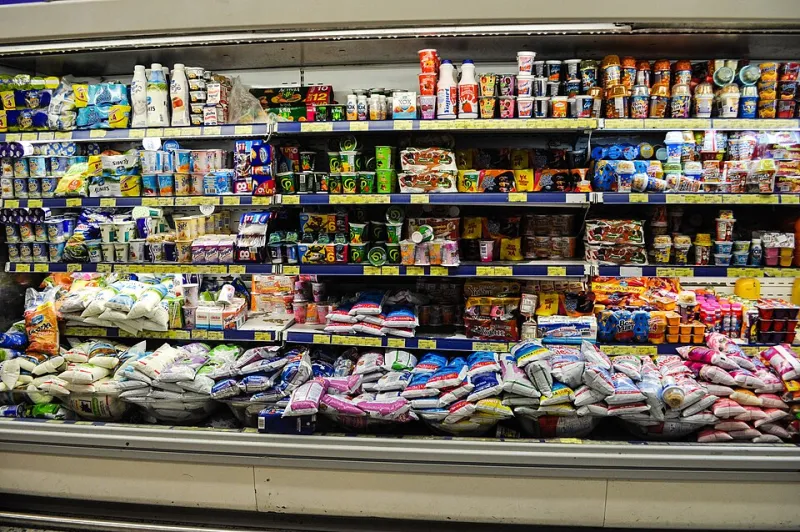
Photo: katiebordner, CC BY 2.0, via Wikimedia Commons
Walk into a US grocery store in 2026 and protein is yelling at you from every direction. Cereal boxes promise 20 grams. Snack bars act like they’re applying for a job in your bloodstream. Cottage cheese has somehow become a main character, and even chips and pretzels want credit for protein now. The message is clear: every food must justify itself with a number.
That’s a lot of noise for something as ordinary as dinner.
Protein matters. It helps you feel satisfied, supports muscle and all that good stuff. But the loudest packaging in the aisle is not a personalized meal plan. It’s marketing. And you do not need to turn every plate into a calculation to feed yourself well.
The label is a sales pitch, not a report card
A snack bar with 20 grams of protein is not morally superior to a snack bar with 8 grams. A fortified cereal is not a shortcut to sainthood. It’s just food with a claim on the front of the box.
That doesn’t make protein-fortified foods bad. If you like a protein bar, eat the protein bar. If cottage cheese with everything seasoning gets you through the afternoon, great. The problem starts when the number becomes a verdict—when you feel like every bite has to earn its place through a macro calculation.
You don’t need to optimize every granola cluster. Most people are better off looking at the general shape of their eating over a day or a week, not auditing each snack like a tiny tax return.
Start with one anchor, not a calculator
For dinner, skip the spreadsheet and pick an anchor—one protein you actually want to eat. Rotisserie chicken. Ground turkey. Salmon. Eggs. Tofu. Beans. Cheese. Leftovers from last night. Any of these can do the job.
Then build around it without overthinking: anchor plus produce plus starch plus sauce. That’s it. Pasta with chicken and broccoli. Tacos with beans, cheese, and cabbage. A sheet pan of sausage and peppers with bread on the side. Frozen shrimp stir-fry with rice. A baked potato with chili and sour cream. None of these require a nutrition degree or a prayer to the macro gods.
This is not about hitting a perfect number at every meal. It’s about having enough food, enough variety, and enough pleasure that dinner doesn’t feel like a chore.
The expensive powder isn’t a rite of passage
Protein powder can be convenient. It can also be expensive, chalky, and weirdly moralized. If you like it, use it. If you don’t, you are not failing at nutrition.
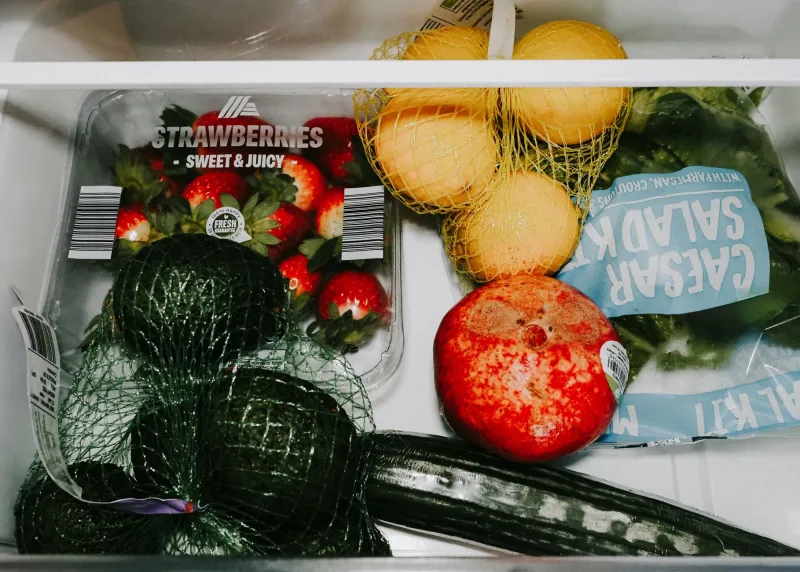
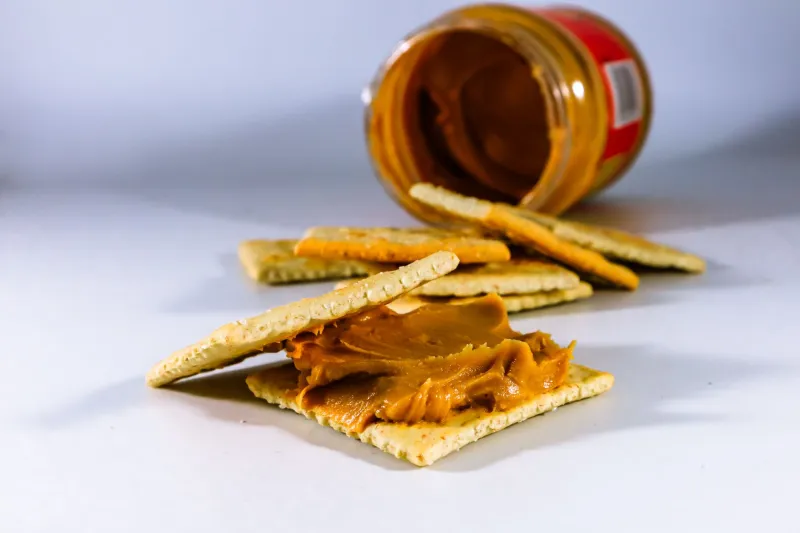
Cheaper protein exists in ordinary places: eggs, canned tuna, Greek yogurt, milk, peanut butter, deli turkey, frozen edamame, lentils, beans, cheese, tofu. A rotisserie chicken from Costco or the local supermarket can cover several meals. A block of tofu from Trader Joe’s is not a personality flaw. Canned beans are not sad—they’re dinner waiting to happen.
You do not have to buy the $48 tub of vanilla isolate to prove you care about your body. A carton of eggs and a bag of frozen shrimp can do plenty.
Cottage cheese can be a supporting actor
Cottage cheese is having a moment. It’s in pancakes, pasta sauce, toast, dips, and probably someone’s iced coffee by now. Fine. It’s a useful food with a lot of protein and a texture that works for some people and absolutely does not work for others.
Use it where you like it. Put it on toast with tomatoes and pepper. Stir it into pasta sauce for creaminess. Eat it with fruit and honey. If you don’t want it in your brownies, you don’t have to put it there. You are allowed to eat cottage cheese because you like it, not because it has a number on the tub.
The same goes for Greek yogurt, protein cereal, and all the snack bars acting like they invented protein. They’re options, not obligations.
A 2026 grocery cart that doesn’t need a keynote
A practical cart might look like this:
- Eggs, rotisserie chicken, frozen shrimp, or tofu for quick anchors.
- Canned beans, lentils, and tuna for backup dinners.
- Greek yogurt, cottage cheese, cheese, and milk if dairy works for you.
- Peanut butter, nuts, and seeds if they fit your budget and taste buds.
- Bread, tortillas, pasta, rice, or potatoes—yes, carbs are food.
- Frozen vegetables, fresh fruit, and whatever produce you’ll actually eat.
- Snacks you like, including the ones without a protein claim on the front.
That last one matters. A balanced cart can include cookies. It can include chips. It can include the fancy ice cream. Food is not a courtroom, and you are not on trial for buying pretzels.
Don’t let fear run the cart
There’s a lot of fearmongering around protein right now—not enough, too much, wrong kind, wrong timing. For most healthy adults, the answer is less dramatic than the packaging suggests. Some people may need more protein or specific guidance: older adults, athletes, people who are pregnant, and anyone with medical conditions or a history of disordered eating. If that’s you, a registered dietitian or doctor can help. That’s a real resource, not a reason to panic-buy powders.
For everyone else, the goal is pretty simple: eat regularly, include protein foods you enjoy, and don’t let a number on a box decide whether you’re allowed to eat dinner.
The dinner test
Before you spiral over whether your Tuesday meal has enough protein, ask a few calmer questions. Is there something here I want to eat? Is there a protein I like? Is there enough food? Does this need to be more complicated?
Usually, the answer to the last one is no. Mac and cheese with tuna is dinner. A burger with a side salad is dinner. Pizza with edamame on the side is dinner. None of it needs a megaphone.
The protein aisle can stay loud. Your dinner doesn’t have to be.