Your Tuesday Dinner Doesn’t Need a Wellness Aesthetic to Count
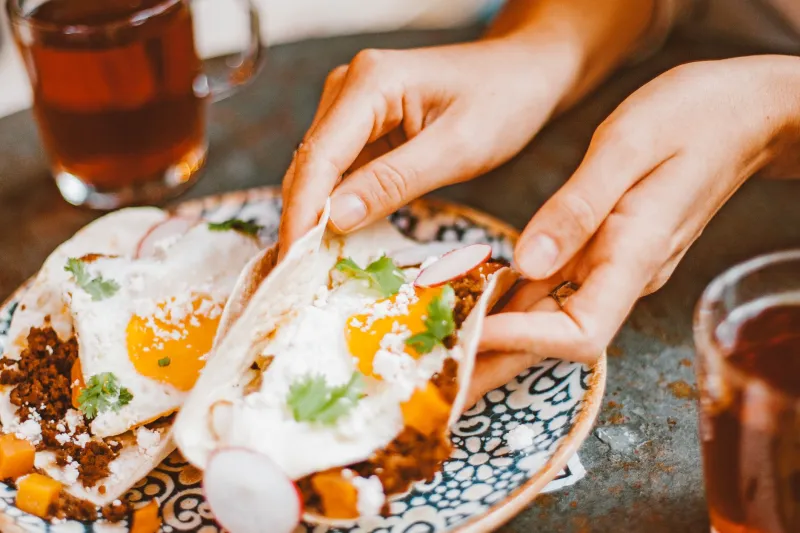
It is 6:12 p.m. on a Tuesday in 2026. Someone in the house needs to be somewhere, the sink is full, and the idea of starting a 45-minute recipe with 14 ingredients is genuinely laughable. This is the moment when many wellness plans quietly die. Not because people are lazy or undisciplined, but because the plan was built for a life with more time, more energy, and fewer moving parts than most US weeknights actually contain.
The good-enough dinner doctrine starts here. It says that a meal does not have to be beautiful, optimized, homemade from scratch, or morally impressive to count. It just has to feed you. That is not a lower standard. It is a more honest one.
The 6 p.m. Reality Check
Most weeknight dinner advice assumes a calm kitchen, a stocked fridge, and a person who has not already made 400 decisions before dinner. Real life looks more like a commute, a school pickup, a work message that should have been an email, and a child who suddenly hates the food they loved yesterday. In that environment, a rigid meal plan is not a plan. It is a setup for shame.
The all-or-nothing approach sounds great in theory: cook every meal, avoid all convenience foods, follow the plan exactly, and somehow feel virtuous by Thursday. In practice, one small disruption can make the whole thing feel ruined. A late meeting becomes takeout. Takeout becomes a spiral. The spiral becomes a decision to start over on Monday. Then Monday comes with three new problems and no dinner.
Why the Perfect Reset Keeps Collapsing
A reset is appealing because it promises a clean slate. But food is not a computer that needs restarting. It is a daily need. The more you attach dinner to perfection, the more fragile it becomes. If a meal has to be photogenic, macro-balanced, and made from ingredients you sourced with intention, then an ordinary Tuesday will almost always fall short.
That does not mean nutrition does not matter. It means nutrition has to survive contact with real life. A frozen pizza with a bagged salad on the side can be a balanced meal. Eggs on toast with fruit can be a balanced meal. Leftover rice with rotisserie chicken and frozen vegetables can be a balanced meal. None of these are content-worthy in the glossy sense. All of them are good enough in the way that matters.
The Good-Enough Plate
Use a simple framework instead of a recipe. Aim for four loose pieces: a protein, a produce item, a carbohydrate, and a flavor or pleasure element. That is it. The plate does not need to be divided perfectly. The pieces can overlap. The produce can be frozen. The carbohydrate can come from a pouch. The pleasure element can be cheese, butter, sauce, chips, or a cookie afterward.
Examples help more than rules. Scrambled eggs, microwave rice, frozen spinach, and hot sauce. Canned chickpeas with olive oil, lemon, feta, and pita. Tortellini with jarred sauce and a handful of frozen peas. Rotisserie chicken tacos with bagged slaw and sour cream. Greek yogurt with granola and frozen berries when dinner has officially become a shrug. These are not sad substitutes for a real meal. They are real meals.
Fifteen Minutes Is a Valid Cooking Time
There is a strange belief that quick food is suspicious. But speed is not a moral category. A 15-minute dinner can include protein, fiber, fat, and flavor. It can also include an indulgent element without turning the meal into a failure. A little butter on the vegetables is not a crisis. A handful of chips next to a sandwich is not a scandal. A scoop of ice cream after a quick dinner is not proof that the day went off the rails.
The goal is not to eat the same optimized bowl every night. The goal is to keep showing up. Some nights will be a proper recipe. Some nights will be a quesadilla and an apple. Some nights will be cereal and a weird amount of cheese. Consistency is not built through perfection. It is built through repetition that is flexible enough to survive a bad week.
Indulgent Elements Are Not a Loophole
Diet culture loves to treat pleasure as a loophole. Have the dessert, but compensate. Enjoy the pasta, but earn it. Put butter on the vegetables, but call it a splurge. This framing keeps food tangled up with guilt, even when the meal is perfectly reasonable.
A better approach is to treat indulgent elements as part of the meal, not a detour from it. Sauce makes vegetables more likely to get eaten. Cheese makes a quick dinner feel satisfying. Chips and salsa can sit next to a bowl of soup without commentary. Dessert can be a normal part of the evening rather than a reward for good behavior. Pleasure supports consistency because it makes the next meal feel less like a test.
What to Say When Shame Shows Up
Shame often arrives with a script. It says this meal is lazy. It says you should have planned better. It says a real adult would have made something from scratch. You do not have to argue with every thought, but you can refuse to let it run the kitchen.
Try a few practical lines. This meal is good enough because it fed me. I am allowed to eat food that is convenient. Dinner does not need to be photogenic to be nourishing. I can enjoy this and still make a different choice tomorrow. I am not earning food through perfection. These sentences are not cheesy affirmations. They are circuit breakers. They interrupt the shame spiral long enough for you to finish your plate.
The Goal Is Fed, Not Flawless
A good-enough dinner will not look like a wellness brand’s mood board. It may be a little beige. It may involve a bag, a box, or a microwave. It may include something crunchy, salty, creamy, or sweet because pleasure belongs in dinner too. That is not a failure of ambition. It is a practical form of self-respect.
The good-enough dinner doctrine is not anti-nutrition. It is anti-perfectionism. It makes room for protein, produce, carbs, and flavor without demanding that every meal be a small masterpiece. On a real Tuesday, that is not settling. That is how you keep yourself fed, satisfied, and able to try again tomorrow.