A Bowl With Substance: Why Hearty Soup Belongs in Your Weeknight Rotation
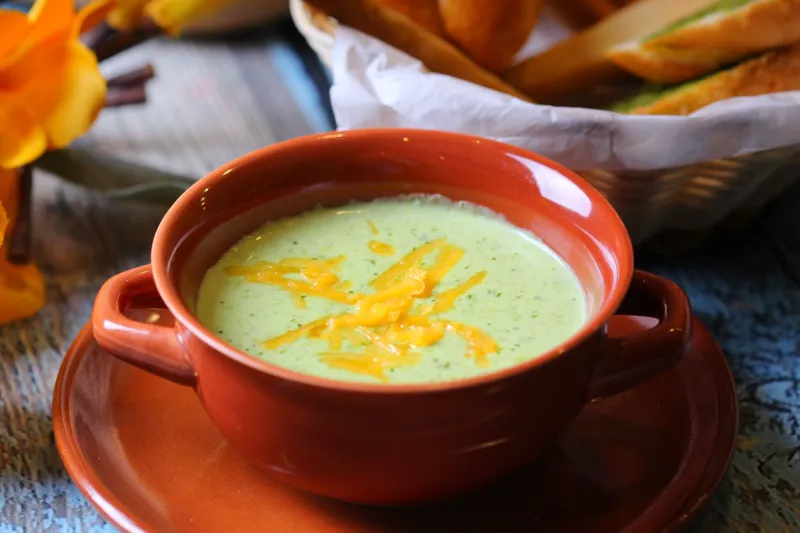
Every November, the soup aisle gets a little preachy. Suddenly the shelves are full of broths promising clarity, cartons labeled like they’re auditioning for a wellness retreat, and menu descriptions that use the word “clean” as if a bowl of food could scrub your soul. Soup season arrives, and with it comes the quiet implication that the only respectable bowl is the thin one.
I’d like to push back on that. Not because thin soups are bad—they can be lovely—but because soup has been drafted into a job it never asked for: acting as a reset button for people who ate normally over the weekend. A bowl of broth and kale is not a moral upgrade. A bowl of potato cheddar with a hunk of buttered bread is not a failure. They’re both dinner. One just gets better PR.
The ‘Clean’ Soup Trap
The wellness-menu version of soup usually goes like this: clear broth, a few floating vegetables, maybe a lone grain, and a price tag that suggests the chef whispered to it. It’s presented as a palate cleanser, a digestive aid, a gentle way back to “being good.” That framing is the problem. It turns soup into a penance with a spoon.
There’s nothing wrong with a light broth if that’s what you genuinely want. A pho or a simple chicken soup can be exactly right when you’re under the weather or just in the mood. But “light” and “virtuous” are not the same thing, and “hearty” and “heavy” aren’t either. A soup with cream, cheese, pasta, and bread can be nourishing in the plainest sense: it feeds you, warms you, and makes a Tuesday feel less like a spreadsheet.
What a Bowl Owes You
A main-course soup should do more than hydrate. It should offer satisfaction. That means some combination of fat, starch, protein, fiber, salt, acid, and texture. It means a bowl that holds you until breakfast, not one that sends you hunting for crackers twenty minutes later.
This is not an argument for turning every soup into a dairy tanker. It’s an argument for letting soup be a full meal when you want it to be. Vegetables belong in there because they taste good and because they add body and color—not because they’re a punishment you have to earn your way out of. Beans, chicken, sausage, tofu, lentils, noodles, rice, potatoes, barley: these are the things that make a bowl feel like dinner instead of a pause between snacks.
Build a Bowl That Actually Holds You
You don’t need a recipe with a thesis statement. A sturdy soup is mostly a formula. Start with a base that has flavor—stock, crushed tomatoes, a little cream, maybe both. Add something bulky: beans, shredded rotisserie chicken, cooked sausage, lentils, diced tofu. Add a starch that makes it filling: tortellini, rice, potatoes, noodles, barley. Toss in vegetables you actually like, frozen or fresh. Finish it with something that wakes it up: grated parmesan, a swirl of cream, chopped herbs, a squeeze of lemon, a knob of butter.
Then put bread on the side. Not as a garnish. Not as a regrettable extra. As part of the meal.
In a US grocery store, this is not complicated. A box of stock, a bag of frozen mirepoix, a can of beans, a bag of egg noodles, and a block of cheddar can become something deeply decent in under an hour. A rotisserie chicken is a weeknight cheat code. A jar of marinara plus stock plus tortellini plus spinach plus parmesan is a bowl that tastes like you tried harder than you did. None of this requires a cleanse, a reset, or a lecture.
The Bread Is Not the Villain
Somewhere along the line, bread became the thing people apologize for when it’s sitting next to soup. That’s a shame. Buttered toast, a warm roll, cornbread, a grilled cheese cut into triangles—these are not evidence of weakness. They’re carbohydrates, and carbohydrates are what your body uses for fuel. They also make soup better. A bowl of minestrone with a parmesan rind simmered in it and a slice of olive-oil toast is a complete pleasure. A baked potato soup with cheddar, scallions, and a piece of sourdough is not a compromised meal. It’s just a meal.
If you want a side salad, have one. If you want two pieces of bread, have two. The point is not to choreograph your bowl into a balanced spreadsheet. The point is to eat until you’re satisfied and then stop—or don’t, and have seconds. Soup is forgiving like that.
A Weeknight Template, Not a Spreadsheet
Hearty soup is one of the most flexible dinners in the American kitchen. Brown some sausage, add stock and crushed tomatoes, simmer tortellini and spinach, finish with parmesan. Or cook diced potatoes in stock until tender, mash a few against the pot for body, stir in cheddar and a splash of milk, top with scallions. Or simmer canned tomatoes with beans, pasta, and whatever vegetables are wilting in the drawer, then finish with olive oil and a parmesan rind if you have one. Or go chicken and rice with lemon and dill, the kind of bowl that makes a cold house feel warmer.
These are not fancy recipes. They’re dinner. And they’re precisely the kind of food that gets dismissed when soup is treated as a cleanse instead of a cuisine.
When Soup Is the Whole Dinner
You are allowed to serve soup as the main event. You don’t need a protein-plus-two-sides structure to make dinner legitimate. You don’t need to “balance” a creamy bowl with a plate of raw vegetables unless you want to. You don’t need to call it a splurge or a treat or a cheat. It’s soup. It’s food. It’s Tuesday.
If a thin, brothy soup is what you love, eat it with joy. If the chunky, cheesy, bread-on-the-side bowl is what you love, eat that with joy too. The difference between them isn’t virtue. It’s preference. And preference is allowed to change with the weather, your mood, your budget, and how much effort you have left at 6 p.m.
The cleanse can wait. The chowder is ready.